查看详情 · Open
No.1 · Signature
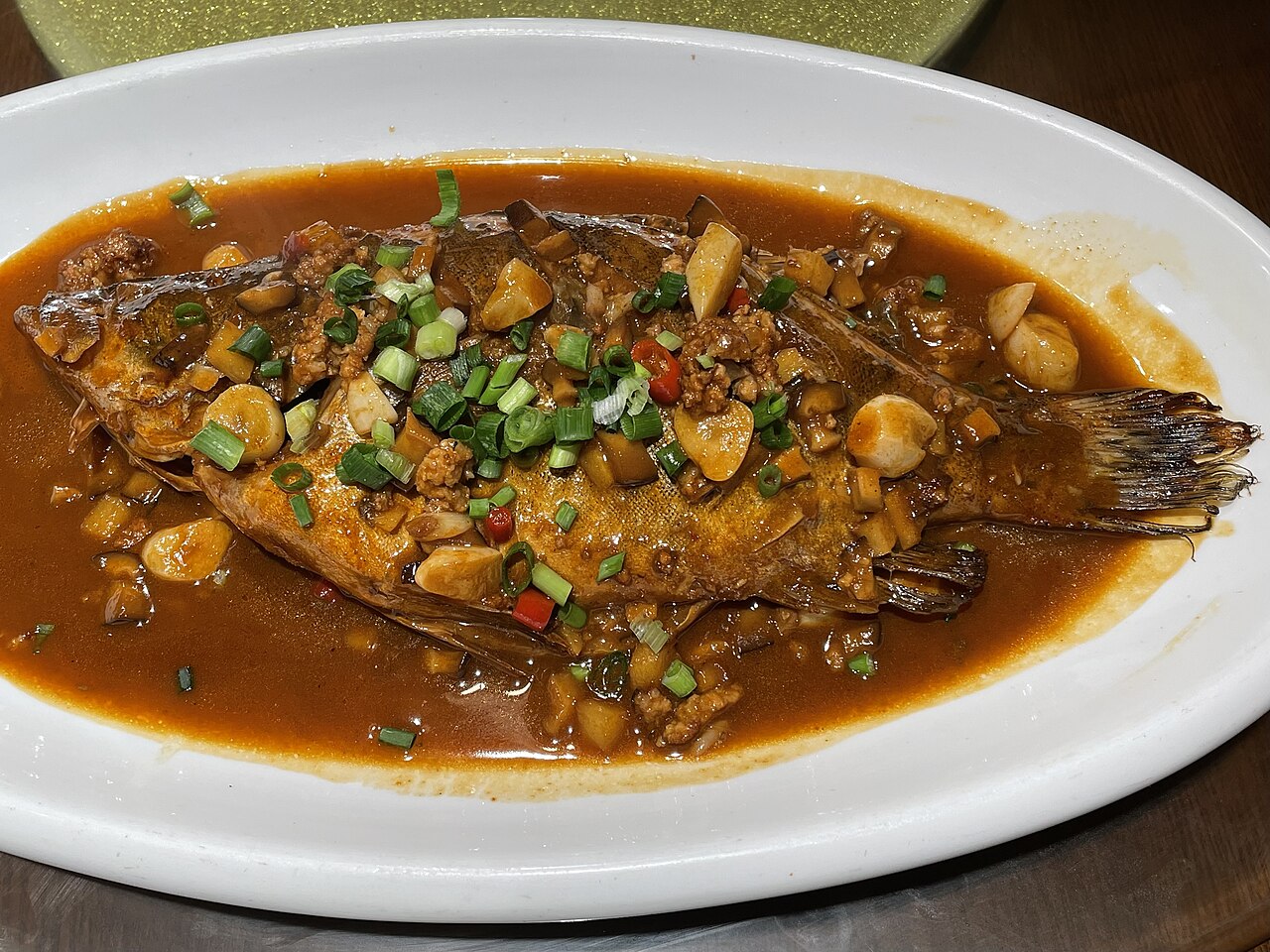
Stinky Mandarin Fish臭鳜鱼
Fermented mandarin fish with a bold aroma and tender, flaky "garlic-clove" flesh.
徽菜头牌,闻着臭、吃着香的发酵鳜鱼,鱼肉呈蒜瓣状。
点击查看 → 制作 · 历史 · 视频
跨文化交际课程作业 · A Cross-Cultural Journey Through Food
点击每道菜,查看介绍 · 制作 · 历史 · 视频 — Click a dish to explore its story, recipe, history & video
Hui cuisine (徽菜), one of the Eight Great Cuisines of China, originated in the ancient Huizhou region — today's Huangshan area in Anhui Province. Known for its love of mountain delicacies, rich color, and masterful control of heat (火功), it was carried across China by the legendary Hui merchants and became famous for preserving the natural flavor of its ingredients.
徽菜是中国八大菜系之一,发源于古徽州——今安徽黄山一带。它以善用山珍、重油重色、讲究火功而著称,并随徽商足迹传遍大江南北,以保持食材本味闻名。
This page introduces five signature Anhui dishes — click any card to open a detailed view with its introduction, cooking process, history and a video. Below, each dish is also paired with a Western counterpart to explore how food bridges cultures.
本页介绍五道徽菜招牌——点击任意卡片,即可查看详细介绍、制作过程、历史渊源与视频。下方再将每道菜与西方美食逐一对照,探讨饮食如何成为跨文化沟通的桥梁。
👆 点击卡片查看详细介绍、制作过程、历史渊源与视频 — Click to open the full story.
Fermented mandarin fish with a bold aroma and tender, flaky "garlic-clove" flesh.
徽菜头牌,闻着臭、吃着香的发酵鳜鱼,鱼肉呈蒜瓣状。
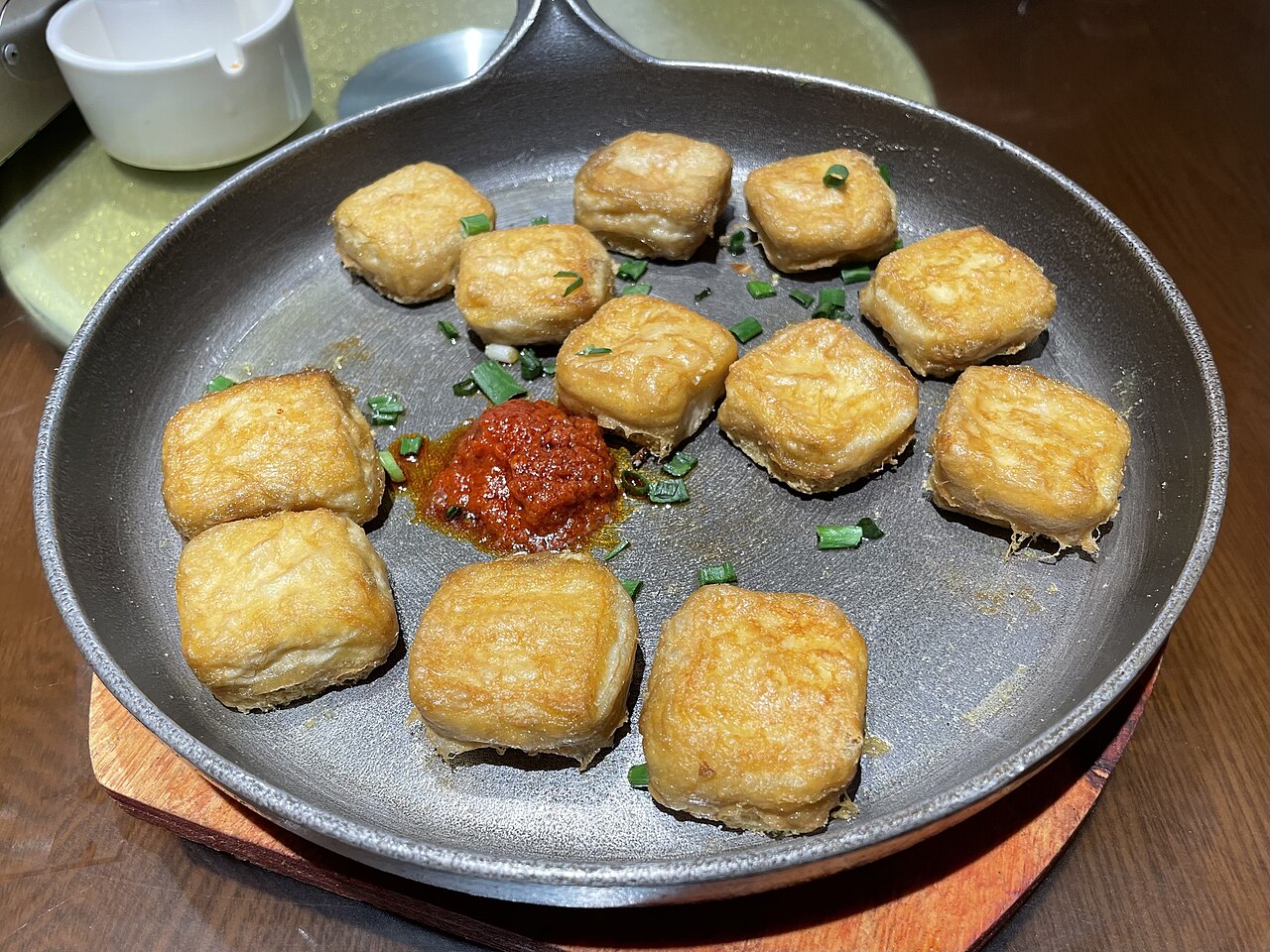
Tofu fermented under a soft white mold, pan-fried to a crisp golden skin.
长满白色绒毛的发酵豆腐,油煎后外酥里嫩。
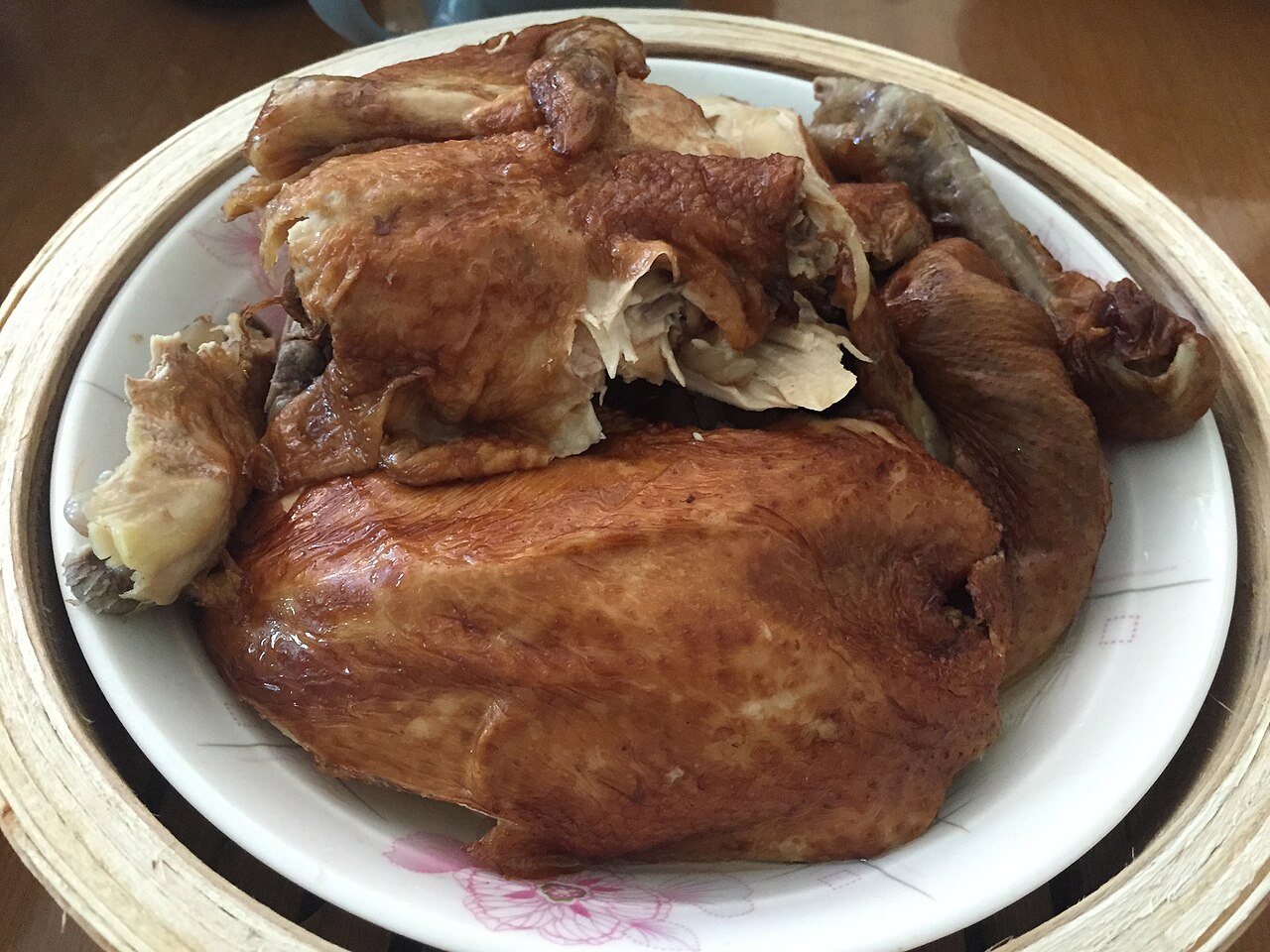
A golden, spiced braised chicken — one of China's "Four Famous Chickens."
卤香浓郁的金黄烧鸡,中国"四大名鸡"之一。
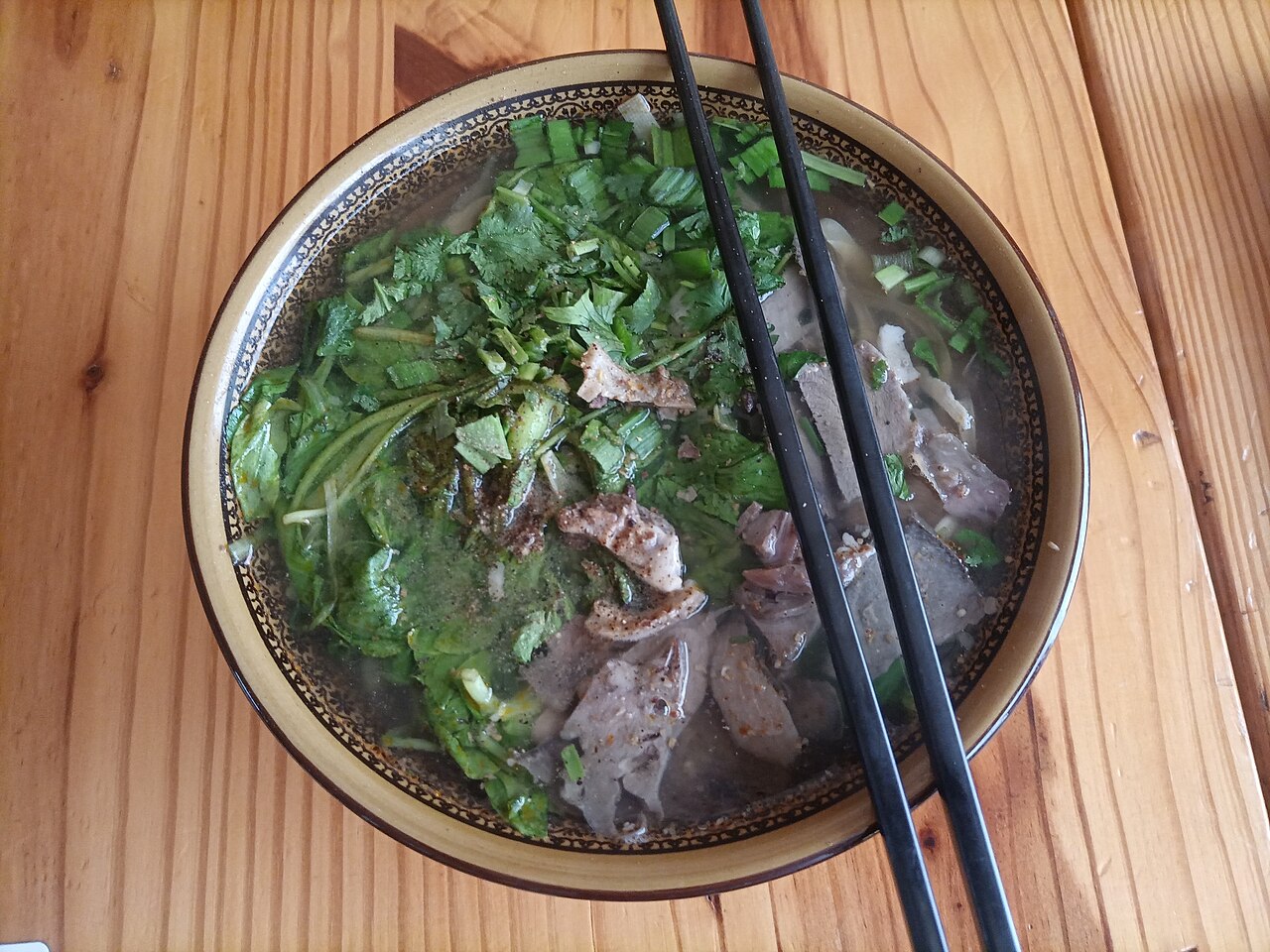
A milky, aromatic beef broth served with vermicelli — Huainan's breakfast soul.
汤色奶白、香气浓郁的牛肉汤配粉丝,淮南人的早餐灵魂。
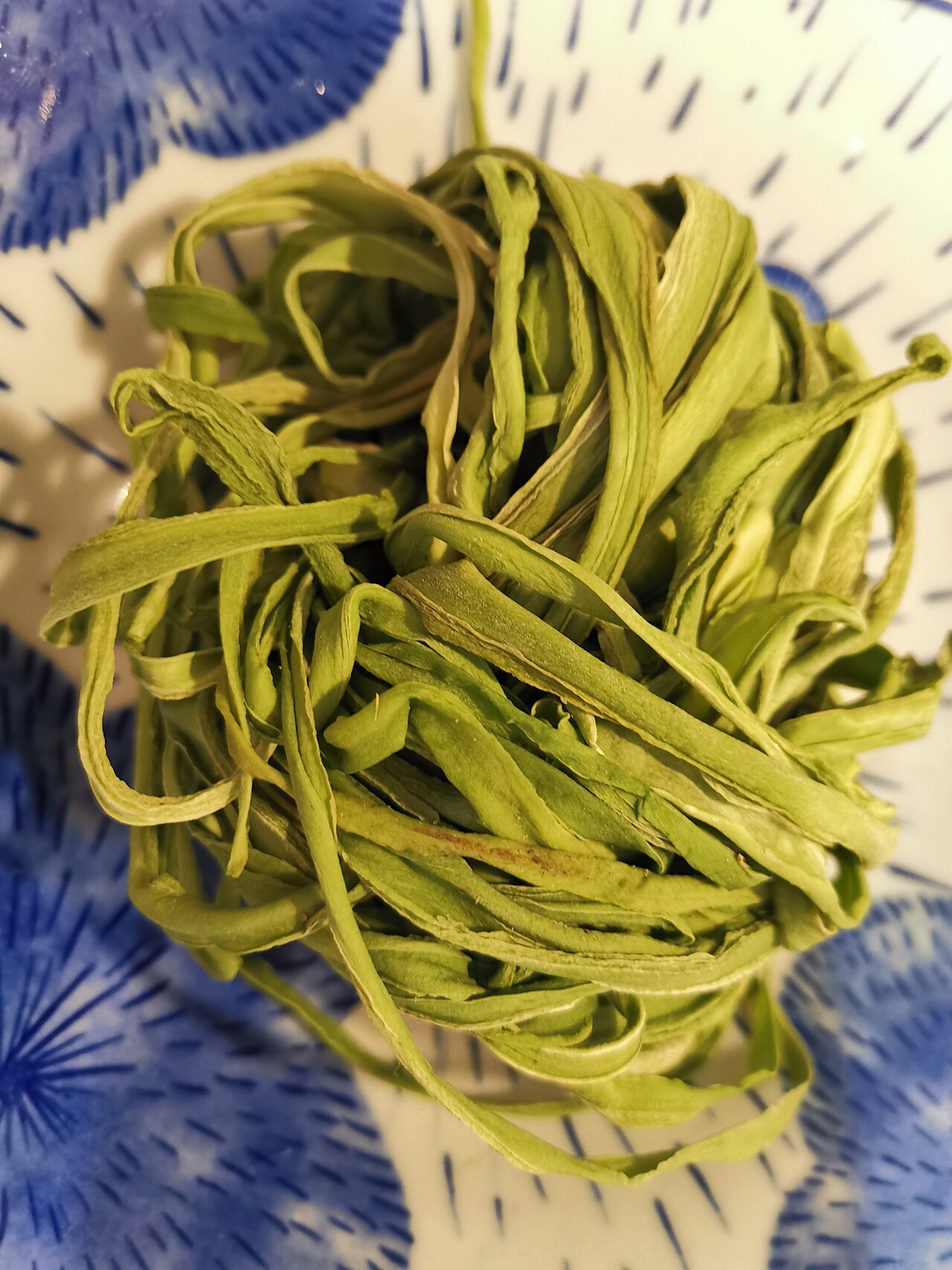
Sun-dried lettuce stems that snap with a refreshing crunch — once imperial tribute.
莴笋茎晒制的苔干,爽脆弹牙,古时为朝廷贡品。
每一组对照聚焦一个跨文化主题 — Each pairing highlights one intercultural theme.
臭鳜鱼
Stinky Mandarin Fish
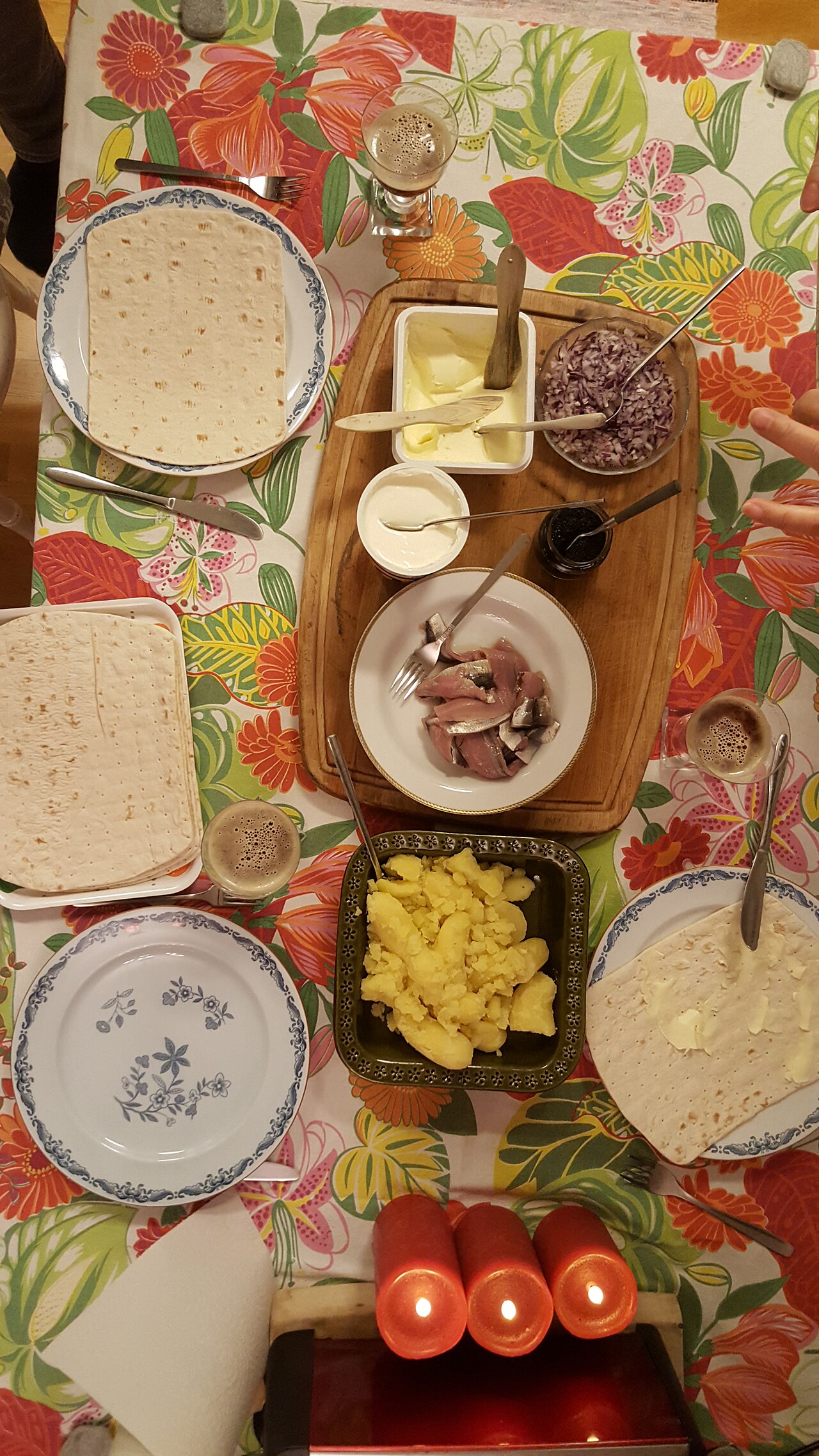
瑞典鲱鱼罐头
Surströmming
Both dishes are famous — or infamous — for their powerful smell. Stinky mandarin fish is fermented fish from Anhui; Surströmming is fermented Baltic herring from Sweden, so pungent it is usually opened outdoors. Their shared lesson: what smells "wrong" in one culture can taste like a delicacy in another.
两者都因气味而"臭名昭著"。臭鳜鱼是安徽的发酵鳜鱼,瑞典鲱鱼罐头是波罗的海腌鲱鱼,气味强烈到常在户外开罐。它们的共同启示:在一个文化里"闻起来不对劲"的食物,可能是另一个文化里的美味。
毛豆腐
Hairy Tofu
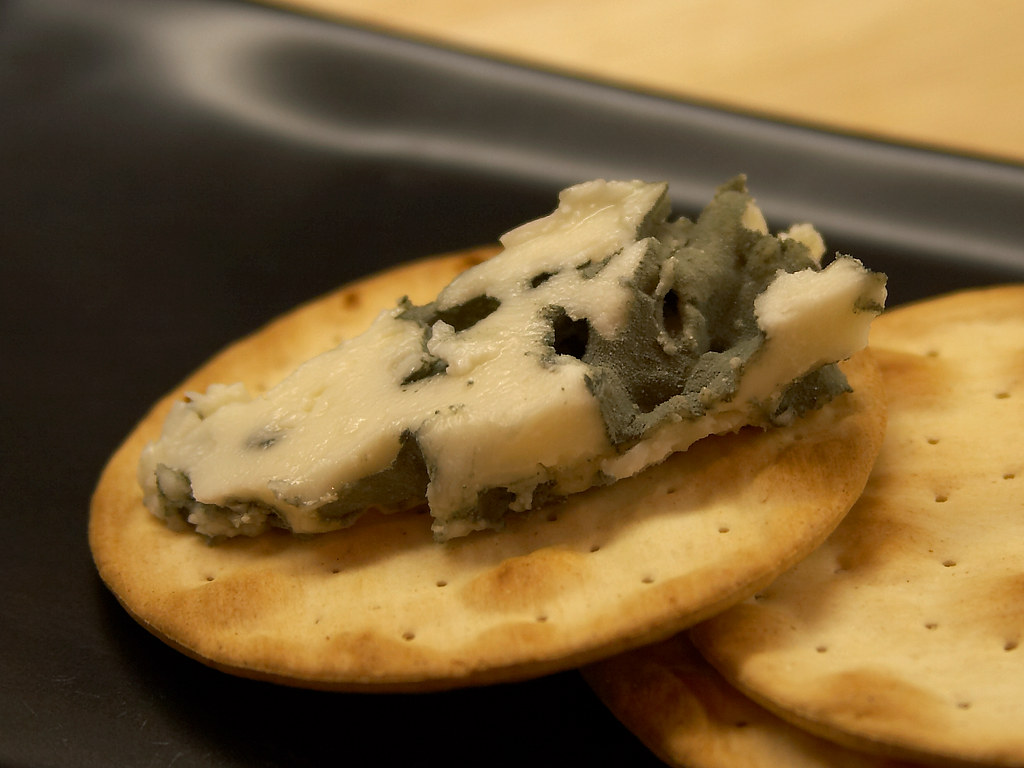
洛克福蓝纹奶酪
Roquefort
Mold usually means spoilage — but in the right hands it becomes flavor. Anhui's hairy tofu grows a soft white mold; France's Roquefort is veined with blue-green Penicillium roqueforti. Both turn humble ingredients into delicacies through controlled fermentation.
霉菌通常意味着变质,但运用得当却成就风味。徽州毛豆腐长出白色菌丝,法国洛克福蓝纹奶酪则由洛克福青霉形成蓝绿纹路。两者都以可控发酵化平凡为珍馐。
符离集烧鸡
Fuliji Roast Chicken
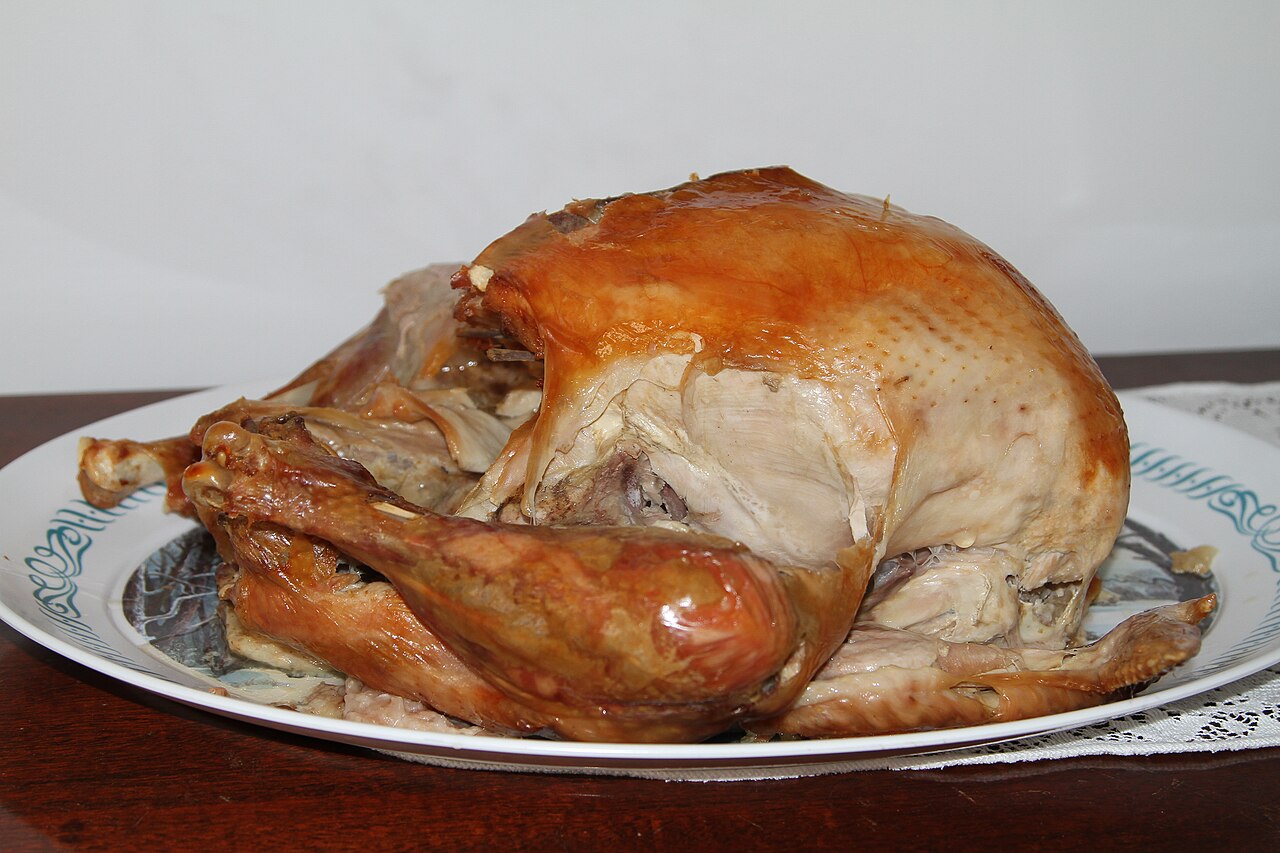
烤火鸡
Roast Turkey
A whole bird, golden and fragrant, is the centerpiece of celebration in both cultures. Fuliji chicken anchors banquets and gift-giving in Anhui; roast turkey is the heart of Thanksgiving in America. Both symbolize abundance, family, and sharing.
一只色泽金黄、香气四溢的整只禽鸟,是两种文化里节庆宴席的主角。符离集烧鸡是安徽宴席与馈赠的常客,烤火鸡则是美国感恩节的核心。二者都象征丰盛、家庭与分享。
淮南牛肉汤
Huainan Beef Soup
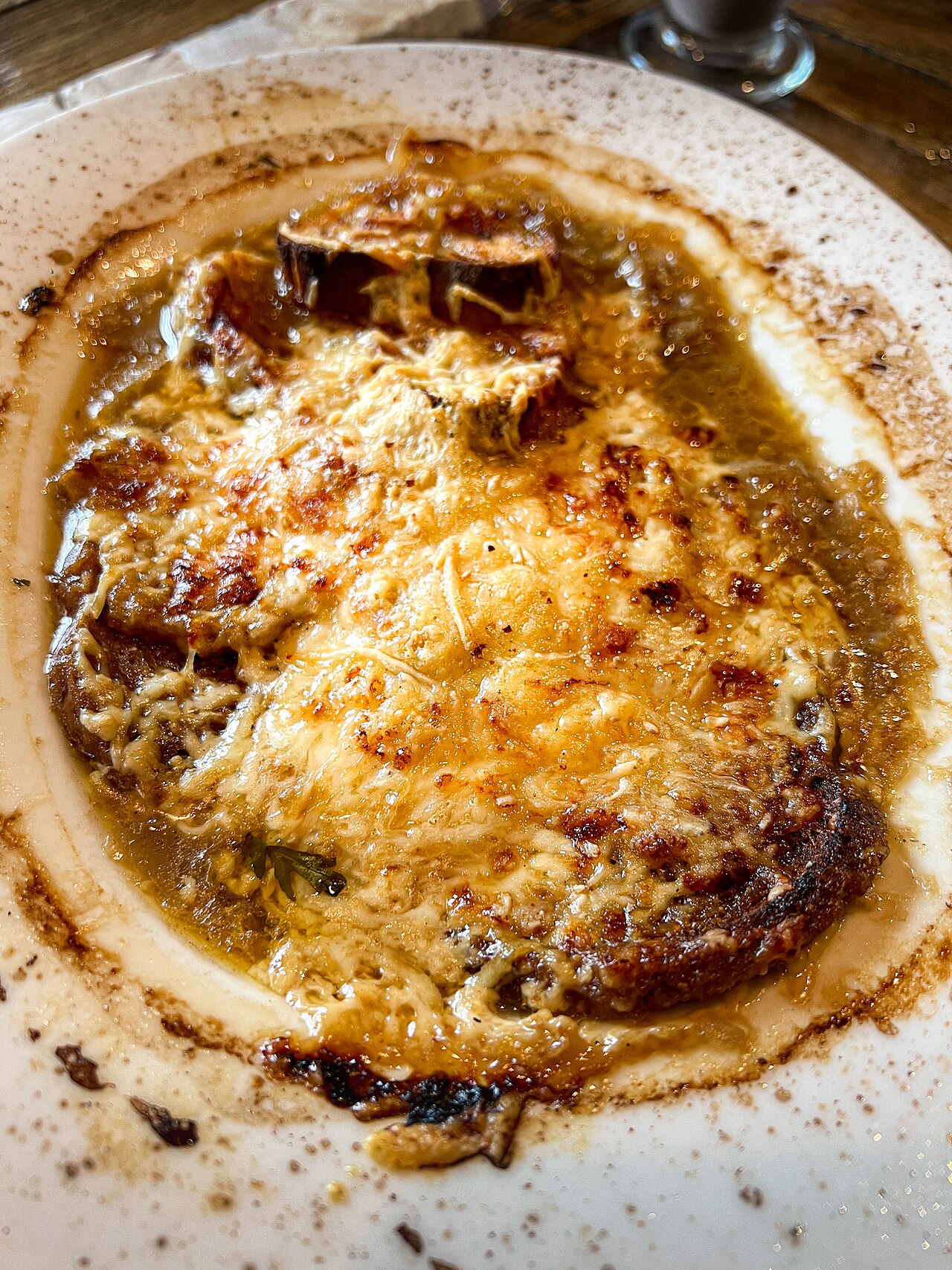
法式洋葱汤
French Onion Soup
A steaming bowl of soup is a universal comfort food. Huainan beef soup is a hearty breakfast that warms the morning; French onion soup, with its caramelized onions and melted cheese, is a bistro classic that warms the evening. Different hours, same comfort.
一碗热汤是跨越文化的慰藉。淮南牛肉汤是温暖清晨的丰盛早餐,法式洋葱汤以焦糖洋葱与融化的奶酪成为温暖夜晚的经典。时段不同,慰藉相同。
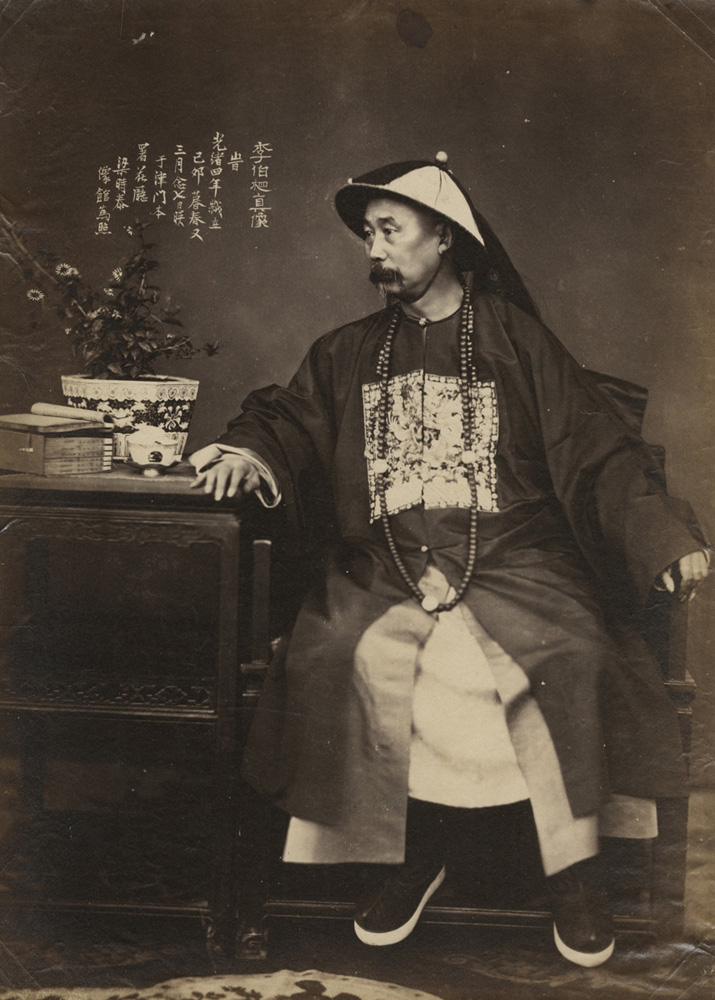
李鸿章杂烩
Li Hongzhang Hotchpotch
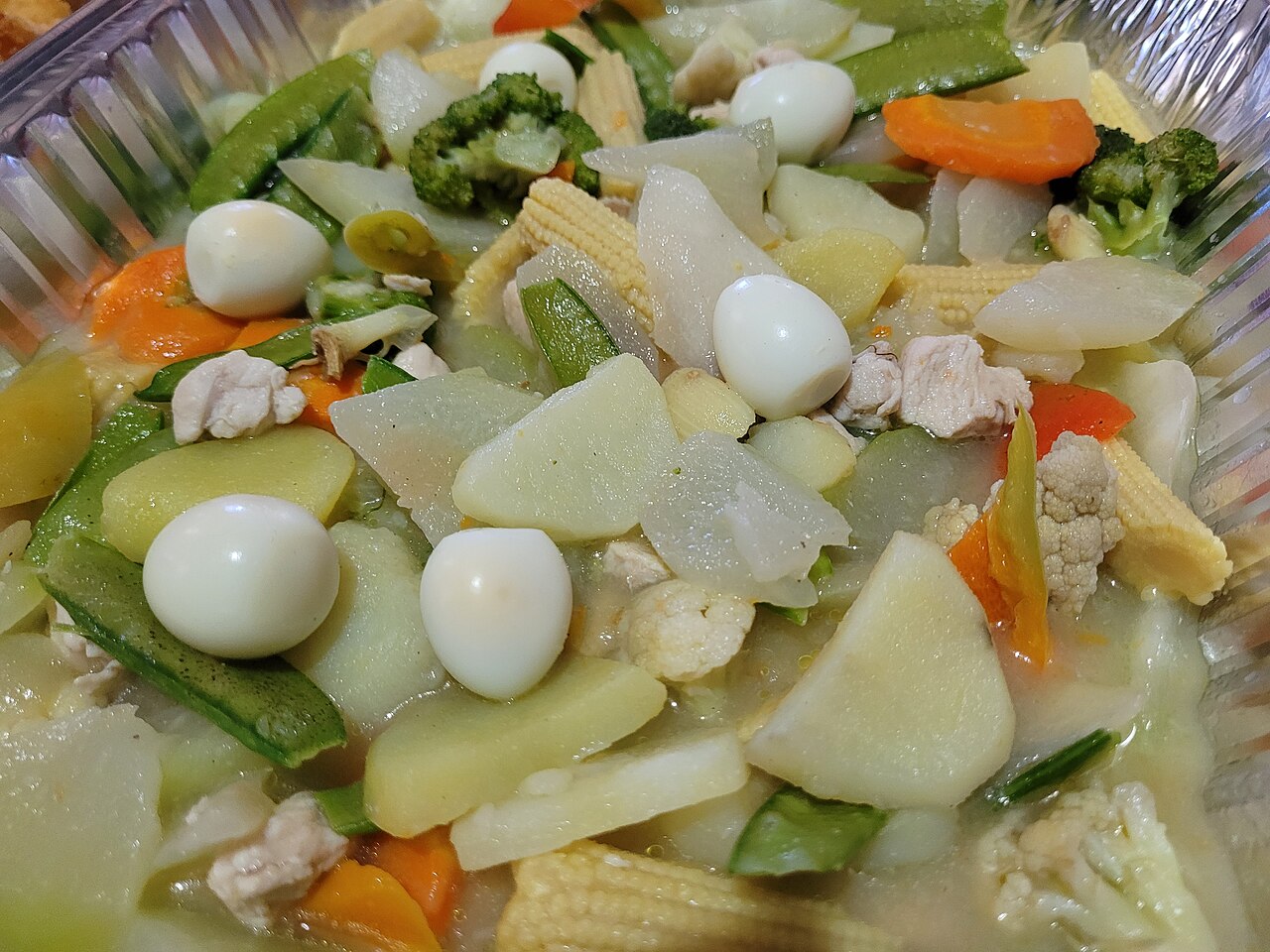
美式杂烩
Chop Suey
Legend says that when the statesman Li Hongzhang visited America in 1896, his chef tossed leftovers into a mixed stew that Americans dubbed "chop suey." True or not, the story captures how Chinese cooking adapted to the West — and how this dish became a symbol of cultural exchange. (Photo: a portrait of Li Hongzhang, since the dish itself is rarely photographed.)
相传 1896 年李鸿章访美时,厨师将剩余食材烩成一锅,被美国人称作"杂烩"(chop suey)。传说真假难辨,但它道出了中餐如何适应西方,以及这道菜如何成为文化交流的象征。(配图为李鸿章肖像,因这道菜本身鲜有实拍照片。)
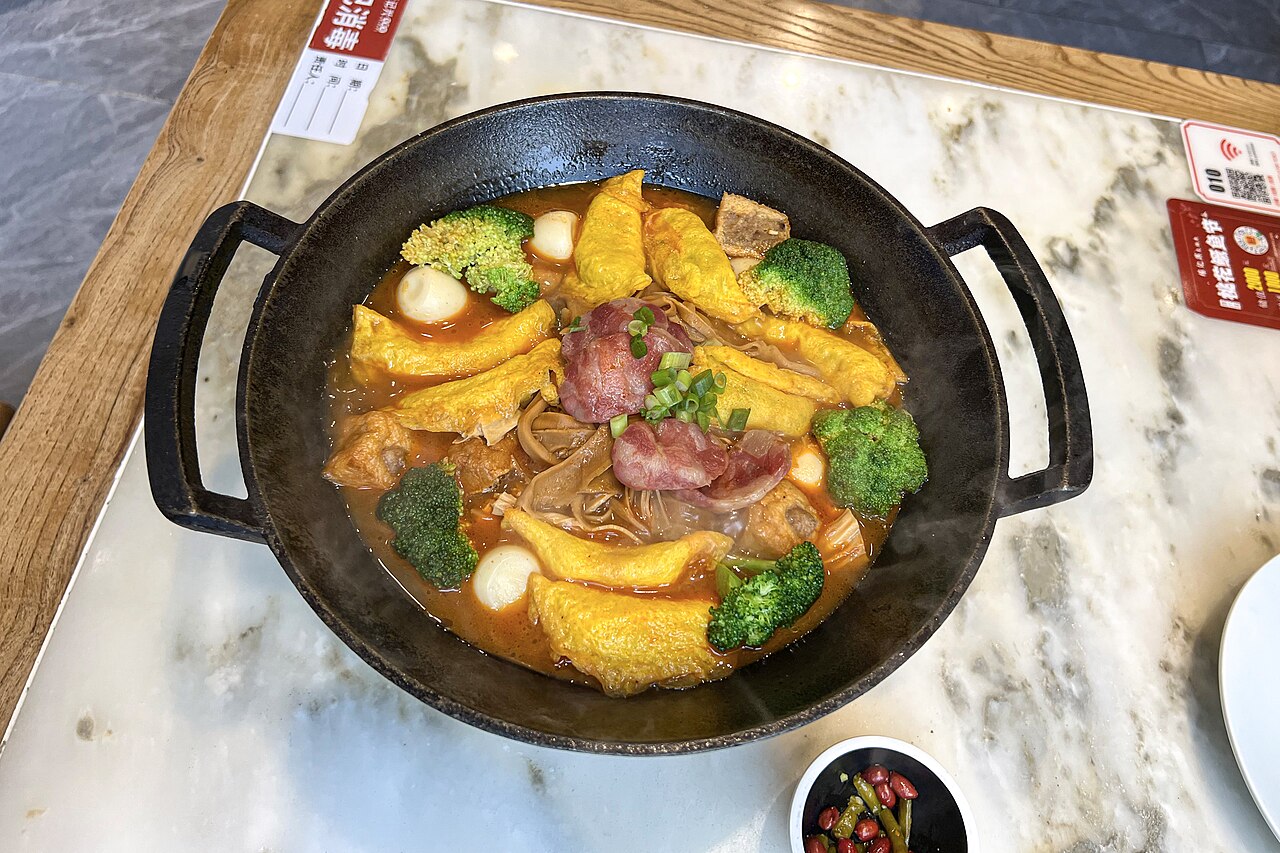
徽州一品锅
Huizhou Yipin Pot

瑞士奶酪火锅
Cheese Fondue
Huizhou Yipin Pot layers meats, tofu, vegetables and dumplings in one clay pot and simmers everything together for the whole table to share — its most famous version is the "Hu Shih Pot" beloved by the scholar Hu Shih. Swiss cheese fondue melts cheese with wine in a single pot, into which everyone dips bread. Both are social by design: the food is good, but the real dish is togetherness.
徽州一品锅将肉类、豆腐、蔬菜层层码入砂锅同炖,供全桌共享——最著名的变体是学者胡适钟爱的"胡适一品锅"。瑞士奶酪火锅则用一口锅融化奶酪与白葡萄酒,众人以面包蘸食。两道菜生来就是为了分享:食物固然美味,真正的佳肴却是相聚。
“Food is one of the most honest forms of cross-cultural communication — to taste a culture is to begin to understand it.”
饮食是最真诚的跨文化沟通方式之一。一道菜或许气味陌生、样子不同、做法有别,但其背后的愿望是共通的:果腹、庆祝与连接。品尝徽菜不仅是一次味觉体验,更是一份从内部理解一种文化的邀请。
All images are from Wikimedia Commons and used under their stated licenses.
Stinky Mandarin Fish (臭鳜鱼) is the undisputed king of Hui cuisine. A fresh mandarin fish is salted and fermented in a wooden barrel under a stone for several days, until it develops its signature pungent aroma. It is then braised with bamboo shoots, minced pork and chilis. The flesh, firm and flaky, breaks into garlic-like cloves — a texture prized in Hui cooking as "蒜瓣肉" (garlic-clove meat). The smell is strong, but the taste is remarkably clean, fresh and savory.
臭鳜鱼是徽菜当之无愧的头牌。将新鲜鳜鱼抹盐后放入木桶、压上石块腌制发酵数日,产生独特气味。随后与笋丁、肉末、辣椒同烧。鱼肉紧实呈蒜瓣状,即徽菜所称"蒜瓣肉"。闻着气味浓烈,入口却格外鲜嫩清爽。
Select a fresh mandarin fish; scale, gut and rinse it well.
选新鲜鳜鱼,去鳞去鳃、开膛洗净。
Rub salt over the whole fish, stuff ginger and scallion inside, and place it head-down in a wooden barrel.
周身抹盐,鱼肚内塞入姜葱,头朝下放入木桶。
Press with a stone and ferment at room temperature for several days until the signature aroma develops.
压上石板,室温腌制发酵数日,直至散发出独特的"臭"香。
Rinse and braise with bamboo shoots, sliced pork and chilis until the sauce clings to the fish.
取出洗净,下锅红烧,加笋丁、肉片、辣椒,收汁入味。
Legend traces the dish to Hui merchants who shipped mandarin fish along the Xin'an River. To keep the fish fresh on long journeys, they salted it and pressed it in barrels. The slight fermentation along the way produced an unexpected aroma — and an even more unexpected delicacy. What began as a preservation trick became the most famous dish of Anhui.
相传这道菜与徽商有关。徽商沿新安江贩运鳜鱼,为保鲜便抹盐压入木桶。途中轻微发酵,竟生出意外的香气与美味。本是保存食物的权宜之计,却成了徽菜第一招牌。
Hairy Tofu (毛豆腐) is tofu fermented until a soft white mold — the "hairs" — covers its surface. This mold is not spoilage but a controlled fermentation, much like cheese-making. Pan-fried, the outside turns golden and crisp while the inside becomes creamy and mellow, usually served with chili sauce or chopped scallions.
毛豆腐是豆腐经发酵后表面长满一层白色绒毛("毛")的徽州名吃。这层霉菌并非变质,而是类似奶酪制作的受控发酵。油煎后外皮金黄酥脆,内里绵软醇香,通常蘸辣酱或撒葱花食用。
Cut tofu into blocks, drain well, and inoculate with Mucor (mold) spores.
豆腐切块、控水,接种毛霉菌种。
Ferment in a warm, humid place for several days until white fuzz covers the surface.
置于恒温恒湿处发酵数日,表面长出白色绒毛。
Pan-fry the hairy tofu in a little oil until golden on all sides.
平底锅少油,将毛豆腐煎至各面金黄。
Serve hot with chili sauce or chopped scallions.
出锅蘸辣酱或撒葱花,趁热食用。
One folk tale says the dish dates to Zhu Yuanzhang, founder of the Ming Dynasty, who — fleeing in poverty — was given fermented tofu by villagers and loved it. Whatever the truth of the legend, hairy tofu reflects the Hui people's wisdom of preserving food through fermentation.
民间传说这道菜可追溯到明太祖朱元璋:相传他早年落难时,村民以发酵豆腐相赠,他食后念念不忘。传说真假难辨,但毛豆腐确实体现了徽州人以发酵保存食物的智慧。
Fuliji Roast Chicken (符离集烧鸡) is named after Fuliji, an ancient post town in Suzhou, Anhui, and ranks among China's "Four Famous Chickens." The chicken is shaped, glazed with malt sugar, deep-fried to a golden color, then simmered in a master stock of over a dozen spices until the meat falls easily off the bone.
符离集烧鸡得名于安徽宿州的古驿站符离集镇,是中国"四大名鸡"之一。将鸡整形、抹饴糖上色、油炸至金黄,再放入十多种香料的老汤中卤煮,直至骨肉轻松分离。
Clean the chicken and shape it into a neat, compact form.
选鸡宰杀整形,做成紧凑的"卧式"造型。
Glaze with malt sugar and deep-fry until golden-brown.
抹饴糖(麦芽糖)后下油锅炸至金黄。
Simmer in a spiced master stock to absorb the flavor.
放入多种香料的老汤中卤煮入味。
Rest in the stock so the meat becomes fall-off-the-bone tender.
关火焖制,使肉质酥烂、骨肉分离。
Fuliji was a key stop on the ancient postal road, where travelers craved a quick, rich meal. The braised chicken — golden and fragrant — became the town's calling card. Today it is one of China's "Four Famous Chickens," alongside Dezhou, Daokou and Goubangzi styles.
符离集自古是驿道要冲,南来北往的商旅催生了这种卤香浓郁的烧鸡,使之成为小镇名片。如今它与德州扒鸡、道口烧鸡、沟帮子熏鸡并称中国"四大名鸡"。
Huainan Beef Soup (淮南牛肉汤) is the soul of breakfast in Huainan, a city on the Huai River. Beef and bones are simmered for hours into a milky, aromatic broth, then served over vermicelli with thin slices of beef and fresh herbs. It is almost always paired with a crisp sesame flatbread.
淮南牛肉汤是淮河之滨淮南人的早餐灵魂。牛骨牛肉久炖成汤色奶白、香气浓郁的汤底,配粉丝、薄切牛肉片与香菜,几乎总要与酥脆烧饼同食。
Simmer beef bones and beef in water for hours into a milky broth.
牛骨与牛肉冷水下锅,长时间熬煮成奶白汤底。
Slice the cooked beef; blanch the vermicelli in boiling water.
牛肉捞出切片,粉丝用开水烫熟。
Assemble vermicelli and beef in a bowl, then ladle over the hot broth.
碗中放粉丝、牛肉片,浇入滚烫的牛肉汤。
Top with cilantro, scallion and chili oil; serve with flatbread.
撒香菜、葱花、辣椒油,配烧饼同食。
Huainan sits on the Huai River and is famed as the birthplace of tofu. Beef soup grew from the region's farming and water-transport culture: a hearty, warming bowl that fueled workers through cold mornings. Today it remains a beloved everyday ritual.
淮南地处淮河之滨,是豆腐的发源地。牛肉汤源自当地的农耕与漕运文化——一碗热腾腾的浓汤,温暖了无数清晨劳作的百姓,至今仍是当地人雷打不动的日常。
Gongcai (贡菜), also called Tai Gan, is a specialty of Guoyang, Anhui — the dried, peeled stems of a type of lettuce. Once sent as tribute to the imperial court (hence "tribute vegetable"), it snaps crisply after soaking and is prized for its refreshing crunch in cold dishes and stir-fries.
贡菜又称苔干,是安徽涡阳的特产——由莴笋茎削皮晾晒而成。古时曾作为贡品进献朝廷,故称"贡菜"。泡发后口感清脆,常用于凉拌与小炒。
Peel the lettuce stems, cut into long strips and split them.
选取莴笋,去叶削皮,切成长条并划开。
Sun-dry the strips into brittle dried stems (Tai Gan).
挂在阳光下自然晾晒脱水成苔干。
Soak in water to rehydrate and restore the crisp texture.
食用前用清水泡发,恢复爽脆口感。
Serve in cold salads, stir-fries, or hot pot.
凉拌、炝炒或入火锅,保留脆爽。
Guoyang's dried lettuce stems have a history of over a thousand years and were presented to the imperial court as tribute — the origin of the name "Gongcai" (tribute vegetable). The drying technique was an early answer to food preservation, concentrating both flavor and texture.
涡阳苔干有千年历史,曾作为贡品进献朝廷,"贡菜"之名由此而来。晾晒脱水是古人保存食物的智慧,既浓缩了风味,也造就了独特的爽脆口感。
Li Hongzhang Hotchpotch (李鸿章杂烩) is a famous Anhui dish named after the late-Qing statesman Li Hongzhang. It simmers a rich medley of meats, seafood, bamboo shoots and vegetables together in a savory broth — a "treasure pot" said to gather all the flavors under heaven in one bowl. (Photo: a portrait of Li Hongzhang, since the dish itself is rarely photographed.)
李鸿章杂烩是以晚清名臣李鸿章命名的安徽名菜,将肉、海鲜、笋、蔬菜等多种食材烩于一锅鲜汤,是一道"一口尝尽天下鲜"的什锦烩菜。(配图为李鸿章肖像,因这道菜本身鲜有实拍照片。)
Prepare assorted ingredients: chicken, pork, shrimp, ham, bamboo shoots and mushrooms.
备好鸡肉、猪肉、虾仁、火腿、笋片、香菇等食材。
Build a rich broth and add ingredients in order of cooking time.
高汤打底,按熟度先后下入食材。
Simmer gently so the flavors meld together.
小火烩煮,让各味交融。
Season, thicken lightly, and serve in a bowl.
调味勾芡,装碗上桌。
Legend says that during Li Hongzhang's 1896 visit to America, his chef, running low on ingredients, tossed assorted leftovers into a pot — and the dish was born. True or not, the story ties this dish to one of the first famous moments of Chinese cooking meeting the West.
相传 1896 年李鸿章访美时,厨师因食材有限,将各色剩余食材烩成一锅,这道菜由此得名。传说真假难辨,却把这道菜与中餐最早西传的名场面联系在一起。
Huizhou Yipin Pot (一品锅) is the banquet centerpiece of Jixi, Anhui. Ingredients are layered in a clay pot — pork and chicken at the bottom, tofu and vegetables above — and simmered slowly so the flavors soak downward. Its most famous version is the "Hu Shih Pot," named after the scholar Hu Shih who loved to serve it to guests.
一品锅是安徽绩溪的宴席压轴菜。将猪肉、鸡肉等铺在砂锅底层,上层码放豆腐、蔬菜,慢火炖煮使汤汁层层渗透。最著名的变体是学者胡适钟爱的"胡适一品锅"。
Layer meat (pork, chicken) at the bottom of a clay pot.
砂锅底层铺肉类(猪肉、鸡块)。
Arrange tofu and egg dumplings in the middle layer.
中层码豆腐、蛋饺等。
Top with bamboo shoots, mushrooms and greens.
上层铺笋、菌菇与蔬菜。
Add broth and simmer slowly until the flavors soak through.
加高汤慢炖至入味。
The pot comes from Jixi, the hometown of Hu Shih — a leading scholar who often served this layered stew to friends and diplomats, turning a humble family dish into a symbol of Huizhou hospitality.
一品锅出自绩溪,这里是学者胡适的故乡。胡适常以这道层层码放的炖菜款待友人与宾客,让这道家常菜成为徽州待客之道的象征。
Surströmming is fermented Baltic herring from northern Sweden, sold in bulging cans that are often opened outdoors because of the intense smell. Despite its fearsome reputation, it is a cherished Swedish tradition, usually eaten on crispbread with potatoes and onions.
瑞典鲱鱼罐头是瑞典北部发酵的波罗的海鲱鱼,罐身因发酵鼓胀,气味浓烈到需在户外开启。尽管"臭名远扬",它却是瑞典人珍视的传统,常配薄脆饼、土豆与洋葱食用。
Catch Baltic herring in spring.
春季捕捞波罗的海鲱鱼。
Salt lightly and seal in cans.
加少量盐腌渍,装罐。
Let it ferment in the can for months.
罐内自然发酵数月。
Serve on crispbread with potatoes and onions.
配薄脆饼、土豆、洋葱食用。
Surströmming dates back to at least the 16th century, when salt was scarce in northern Sweden and fermentation preserved fish through the winter. It remains a seasonal ritual, celebrated every August at "surströmmingsskiva" (surströmming parties).
鲱鱼罐头可追溯到 16 世纪,当时瑞典北部食盐稀缺,发酵成为保存鱼类过冬的方法。如今它仍是季节性的仪式,每年八月人们会举办"鲱鱼罐头派对"。
Roquefort is a French blue cheese made from sheep's milk, ripened in the limestone caves of Roquefort-sur-Soulzon in southern France. Its blue-green veins come from the mold Penicillium roqueforti, giving it a sharp, tangy, creamy flavor.
洛克福是法国羊奶蓝纹奶酪,在法国南部洛克福镇的石灰岩洞穴中熟成。其蓝绿纹路来自洛克福青霉菌,风味浓烈、咸鲜而绵滑。
Use Lacaune ewe's milk.
使用拉科讷羊奶。
Inoculate with Penicillium roqueforti spores.
接种洛克福青霉菌。
Pierce the cheese so air creates the blue veins.
扎孔让空气进入,形成蓝纹。
Ripen in natural limestone caves for months.
在天然洞穴中熟成数月。
Roquefort has been made for over a thousand years and was the first French cheese to receive an AOC (Appellation d'Origine Contrôlée) designation in 1925. Legend says a young shepherd left his bread and cheese in a cave and returned to find it veined with blue mold — deliciously.
洛克福奶酪已有千年历史,1925 年成为首个获得法国原产地命名(AOC)的奶酪。传说一位牧羊人把面包和奶酪遗忘在洞穴中,回来时发现它长出了蓝纹——竟意外美味。
Roast turkey is the centerpiece of the American Thanksgiving table. The whole bird is seasoned, sometimes stuffed, and roasted until the skin is golden and the meat is juicy — a symbol of harvest, abundance and family gathering.
烤火鸡是美国感恩节餐桌的主角。整只火鸡经调味(有时填入馅料)烤至表皮金黄、肉质多汁,象征丰收、富足与家人团聚。
Thaw, pat dry and season the turkey inside and out.
火鸡解冻、擦干、内外调味。
Stuff the cavity with dressing (optional).
腹内填入馅料(可选)。
Roast low and slow until golden.
低温长时间烤至金黄。
Rest, carve, and serve with gravy.
静置后切片,浇肉汁。
The tradition dates to the early 17th-century harvest feasts shared by Pilgrims and Native Americans, and became a national holiday under Abraham Lincoln in 1863. Turkey earned its place as the feast's centerpiece thanks to its size — enough to feed a crowd.
这一传统可追溯至 17 世纪初清教徒与原住民共度的丰收宴,1863 年林肯总统将其定为全国性节日。火鸡因体型大、足以宴请众人而成为盛宴主角。
French onion soup (soupe à l'oignon) is a classic bistro dish: onions are slowly caramelized, simmered in a rich beef broth, and topped with toasted bread and melted cheese. Deeply sweet and savory, it is a bowl of pure comfort.
法式洋葱汤是法国小馆的经典:洋葱慢火炒至焦糖色,入牛肉高汤炖煮,再铺上烤面包与融化的奶酪。香甜浓郁,是满满一碗慰藉。
Slice onions and caramelize them slowly.
洋葱切丝,小火慢炒至焦糖色。
Add beef broth and simmer.
加牛肉高汤炖煮。
Ladle into bowls, top with bread and cheese.
盛入烤碗,铺面包与奶酪。
Bake until the cheese melts and browns.
入烤箱焗至奶酪融化金黄。
Onion soup has humble Roman origins, but its modern form took shape in 18th-century Paris, where it became a late-night staple at the Les Halles market. Its comforting, inexpensive nature made it beloved across France — and later the world.
洋葱汤可溯源至古罗马,现代版本成型于 18 世纪的巴黎,曾是中央市场深夜的招牌。它温暖实惠,深受法国人喜爱,后传遍世界。
Chop suey is an iconic Chinese-American dish — a quick stir-fry of meat, eggs and assorted vegetables tossed in a savory sauce, served over rice. Born in the American imagination of Chinese cooking, it became a beloved staple of Chinese restaurants across the West.
美式杂烩(Chop Suey)是标志性的美式中餐——将肉类、鸡蛋与什锦蔬菜快炒,浇上咸鲜酱汁,配米饭食用。它诞生于美国人对中餐的想象,成为西方中餐馆的经典。
Prepare shredded meat, eggs and assorted vegetables.
备好肉丝、鸡蛋与各色蔬菜。
Stir-fry the meat and vegetables over high heat.
热油快炒肉与菜。
Add sauce and toss to combine.
加酱汁调味翻炒。
Serve over steamed rice.
盛出配米饭。
Chop suey emerged in 19th-century Chinese-American restaurants and is often linked — apocryphally — to Li Hongzhang's 1896 visit, when a chef supposedly improvised a mixed dish. Whatever its origin, it became a symbol of Chinese food adapting to Western tastes.
美式杂烩诞生于 19 世纪的美国中餐馆,常被(未必真实地)与李鸿章 1896 年访美联系在一起。无论起源如何,它都成为中餐适应西方口味、走向世界的象征。
Cheese fondue is Switzerland's national dish: cheese is melted with wine and garlic in a communal pot (caquelon), kept warm over a flame, and diners dip cubes of bread into the molten cheese on long forks. It turns a simple meal into a shared social ritual.
奶酪火锅是瑞士的国菜:将奶酪与白葡萄酒、大蒜在专用锅中融化,置于火上保温,众人以长叉将面包块蘸入融化的奶酪。它把简单的一餐变成共享的社交仪式。
Rub the pot with garlic and warm the wine.
用蒜擦锅,加入白葡萄酒加热。
Gradually stir in grated cheese until melted.
分次加入磨碎的奶酪搅拌融化。
Add cornstarch and kirsch to keep it smooth.
调入玉米淀粉与樱桃酒,保持顺滑。
Dip bread and potatoes on long forks.
以长叉蘸面包、土豆食用。
Fondue grew from the Alpine tradition of melting aged cheese and bread to survive harsh winters. Promoted as a national symbol in the 20th century, it became Switzerland's dish of togetherness — shared, never eaten alone.
奶酪火锅源自阿尔卑斯山区融化陈年奶酪配面包度过寒冬的传统。20 世纪被推广为瑞士的国家象征,成为"共享而非独食"的团聚之味。